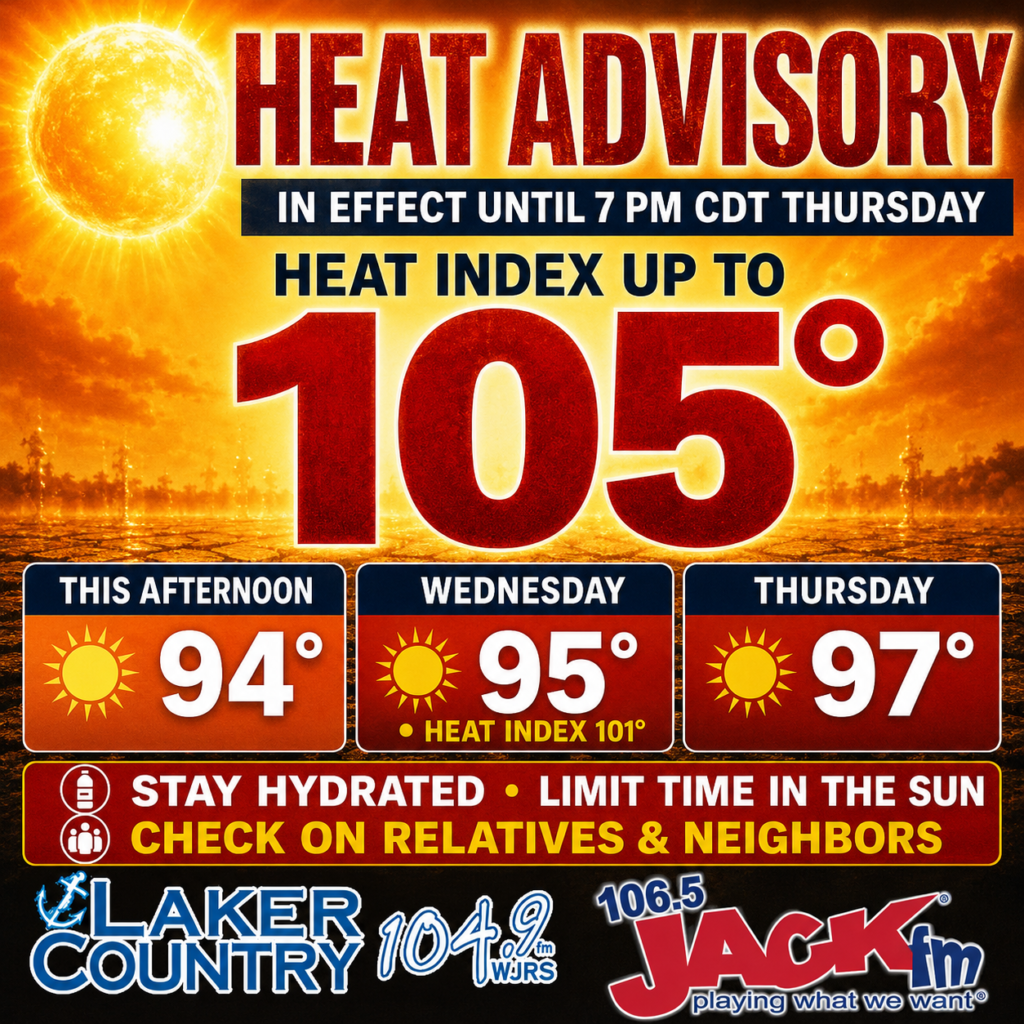
Extreme heat can turn a parked vehicle deadly within minutes
There is no safe amount of time to leave a child or pet alone in a parked vehicle. On a sunny day, the vehicle acts like a greenhouse, trapping heat and rapidly reaching temperatures far above the outside air.
NHTSA says a vehicle’s interior can rise about 20 degrees in just 10 minutes. Children are especially vulnerable because their bodies heat up three to five times faster than an adult’s. Cracking the windows or parking in the shade provides little meaningful protection.
Estimated timeline on a 94-degree day
These are approximate cabin-air temperatures. Actual heating varies with sunlight, vehicle color, starting temperature and other conditions—but no estimate should ever be treated as a “safe window.”
Time parked Approximate temperature inside Danger
At parking 94°F or cooler if air conditioning was running Heating begins immediately after the vehicle is turned off
10 minutes Around 113–114°F Already life-threatening for a trapped child or pet
20 minutes Around 123°F Severe heat illness and organ damage may develop rapidly
30 minutes Around 128°F A child or pet may be unable to survive prolonged exposure
60 minutes Around 137°F Extreme, potentially fatal conditions
Most of the temperature increase occurs during the first 15 to 30 minutes. The National Weather Service warns that children who become trapped in vehicles have died in as little as 10 minutes. Interior surfaces such as dashboards, seats and steering wheels can reach 180 to 200 degrees.
The outdoor heat index does not directly determine the temperature inside a car—the actual air temperature and sunlight drive that heating—but a 94- or 95-degree afternoon already provides an extremely dangerous starting point.
Why pets are also at serious risk
Dogs and cats cannot cool themselves as efficiently as people. Dogs rely primarily on panting, which becomes less effective when they are trapped in extremely hot air. Older pets, overweight animals, puppies and kittens, and short-nosed breeds can be especially vulnerable.
Heavy panting, drooling, weakness, vomiting, confusion, collapse or seizures can indicate heatstroke. A pet showing these symptoms needs immediate veterinary care.
Heat safety for people outdoors
When temperatures reach the mid-90s and the heat index climbs above 100:
Drink water before becoming thirsty. For strenuous work in the heat, federal safety guidance recommends approximately one cup—eight ounces—every 15 to 20 minutes. People under fluid restrictions should follow their healthcare provider’s advice.
Take frequent breaks in shade or air conditioning. The hotter and more humid the conditions—and the harder the activity—the longer and more frequent those breaks should be.
Schedule strenuous work, exercise and practices for early morning or evening when possible.
Wear loose, lightweight, light-colored clothing.
Avoid alcohol and excessive amounts of caffeine or sugary drinks, which are not substitutes for water.
Use a buddy system. Watch one another for headache, dizziness, nausea, weakness, confusion or unusual behavior.
Check on elderly neighbors
Adults 65 and older are more susceptible because they may not adjust as well to sudden heat, may have chronic medical conditions, or may take medications that affect sweating and temperature regulation.
The CDC recommends checking on at-risk older adults at least twice daily during extreme heat. Make sure they:
Have working air conditioning or access to a cooling location.
Are drinking enough water.
Are wearing lightweight clothing and avoiding strenuous activity.
Are not relying solely on a fan when indoor temperatures are dangerously high.
Are not showing signs of heat exhaustion or heatstroke.
When it becomes an emergency
Heatstroke warning signs include confusion, slurred speech, seizures, loss of consciousness or extremely high body temperature. Call 911 immediately, move the person to a cooler location and begin rapid cooling with cold water, wet towels, ice or fans. Do not leave the person alone.
If you see a child alone inside a parked vehicle, call 911 immediately. Every minute matters.