
Russell Springs United Methodist Church is one church within Russell County that last week announced the suspension of in-person worship services aligning with the recommendation of Kentucky Gov. Andy Beshear.
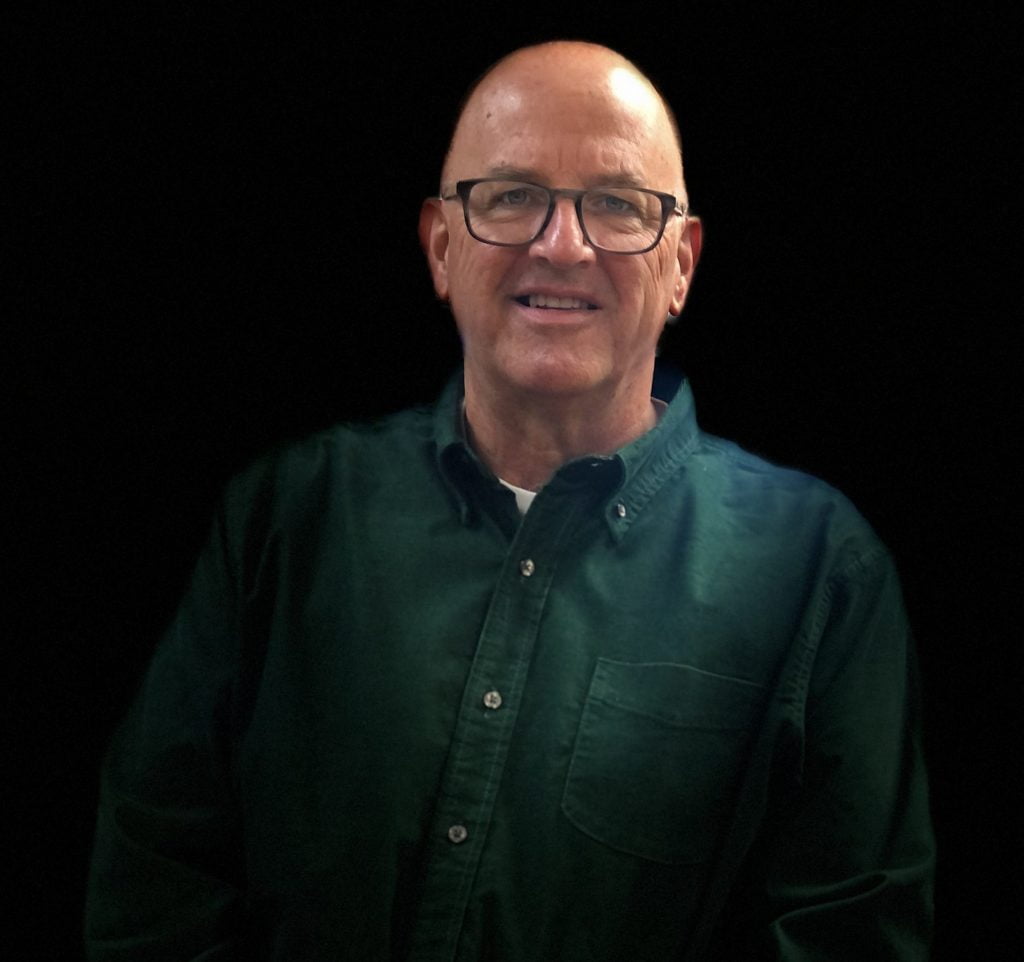
But RSUMC Pastor David Calhoun said the decision wasn’t a matter of “faith over fear” as has become a common slogan among churches in regard to the COVID-19 pandemic. Instead, the decision comes with the advice of local medical professionals, many of whom are in the congregation at RSUMC.
“I’m not afraid,” Calhoun said. “I know that God is in control and I know God is still at work. In fact, I think our decisions are an act of faith. In Hebrews 11, scripture says faith is the assurance of things hoped for and the evidence of things not seen. I have assurance. I hope God is working in this situation and I know that he is. I believe He is. That’s my faith, and it doesn’t matter whether we’re virtual or in-person, God is everywhere and His presence is everywhere.”
Calhoun added, “I don’t prefer these restrictions in place, I don’t like wearing a mask. My mask is pretty much a fog machine the way it fogs my glasses up and I don’t like it, but I feel like it’s the responsible thing because we are listening to those medical professionals and we’re seeing this happen all around us. To me, it feels irresponsible to not follow these requests and these guidelines.
While RSUMC had been hosting in-person worship services following COVID-19 guidelines with no major outbreak occurring from the church, Calhoun said the Comeback Team, a group of individuals within the church representing various ministries along with local medical professionals, felt like it would be a good idea to put a pause on those in-person gatherings for at least a few weeks.
“We’ve been acting responsible and doing in-person services responsibly, but as one doctor told me, the community is saturated with COVID-19 cases now,” Calhoun said.
The reliance on those medical professionals, including an individual that Calhoun is personal friends with that has worked in the high ranks of the federal government, has been instrumental with day-to-day decision making.
“Those individuals are a whole lot smarter about medical things than I am,” Calhoun said. “We just made this decision that we’re going to listen to these medical professionals because they know more about this than we do. You know, if my doctor told me that I need to keep an eye on my blood pressure or if I came in to the doctor with a limp, I’d probably get those things checked out. They know more about health than I do.”
But Calhoun admitted that throughout the whole pandemic, leading a church has been a significant challenge. Specifically, Calhoun said keeping people engaged and keeping a sense of community when people aren’t supposed to gather together has been challenging. However, it’s also forced he and other leaders in the church to think outside the box.
“In the beginning, we started out with this idea of looking for opportunities in the uncertainties,” Calhoun said. “There are so many uncertainties, but there are opportunities within those.”
From that, the idea of house church groups (which were later coined as D5 groups or life groups) came together, with much success, Calhoun said.
“We focused on building deeper relationships,” Calhoun said. “Loneliness is epidemic in this country and people who are isolated are really struggling through this pandemic, maybe more so than anyone, so we wanted to create opportunities for those relationships.”
Those groups, which typically include 10 people or less, were encouraged by church leaders to be responsible by maintaining social distancing practices and wearing masks when needed. Those groups are still continuing with the same recommendations.
And, Calhoun said, those groups follow a model that existed in the early church, but the principles are still applicable today, even in the midst of a global pandemic.
“For 250 years, the church didn’t have a church building,” Calhoun said. “And the early church grew an estimated 40 percent per decade for 250 years. Christianity was illegal. They didn’t have youth groups, children’s ministries, worship bands… Our American church culture has kind of lost sight of what was intended for the church, which was to make disciples and that happens life on life. You really need to grow smaller in order to grow bigger. This is kind of making us take a step back and ask how we can do this.”
Calhoun said the pandemic also forced the church to really ramp up its digital presence, from Facebook to Youtube to the church’s website.
“It’s not perfect, but having that online presence creates opportunities,” Calhoun said.
And even though there may be differences in beliefs among congregation members at the church about the best way to handle church services moving forward, Calhoun said it’s important to be able to talk about those differing opinions in a civil manner.
“You can be united, even if you don’t agree on everything,” Calhoun said. “Rick Warren, the pastor at Saddleback Church in California, once said, ‘if you and I agree on everything, then one of us is unnecessary,’ so there will be disagreements and there will be differing opinions. One of the sad things that has happened in our country in recent years is this idea that if we disagree with someone, we hate them. That’s just sad. The idea of civil discourse is almost dead in America. We emphasize to people that if they don’t agree with everything, that’s OK. The easiest thing to me would be if we could just go back to how things were. Trying to lead and make decisions during this time is really stressful. We just emphasize that we can be united in spirit, even if we are of a different mind. ”
At the end of the day, Calhoun said it’s about loving your neighbor and being responsible.
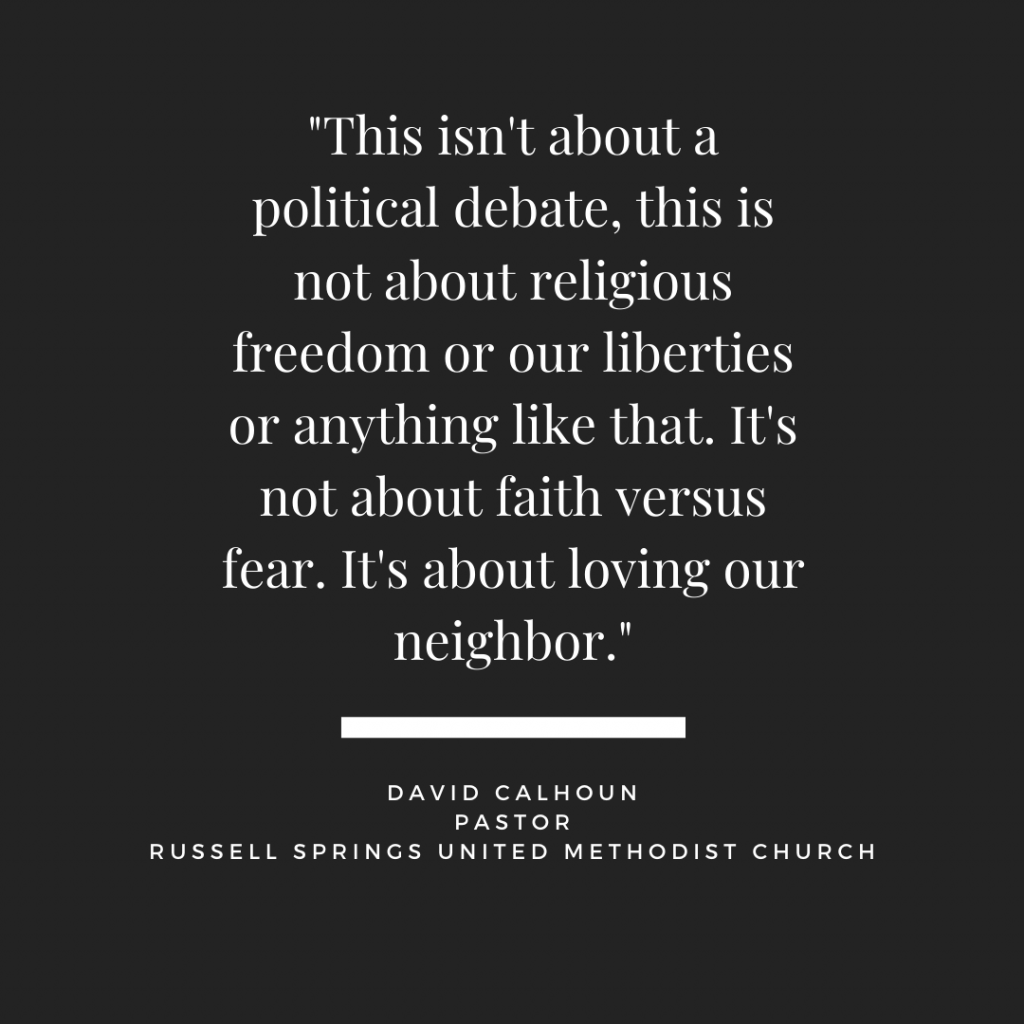
“This isn’t about a political debate, this is not about religious freedom or our liberties or anything like that,” Calhoun said. “It’s not about faith versus fear. It’s about loving our neighbor. It’s about not wanting anyone to catch the virus from you because some people carry it and never know it. It’s about being responsible and loving our neighbor and trusting, being assured of the things we hope for and the evidence of things we can’t even see knowing that God is still working, and we’re going to let him work.”
